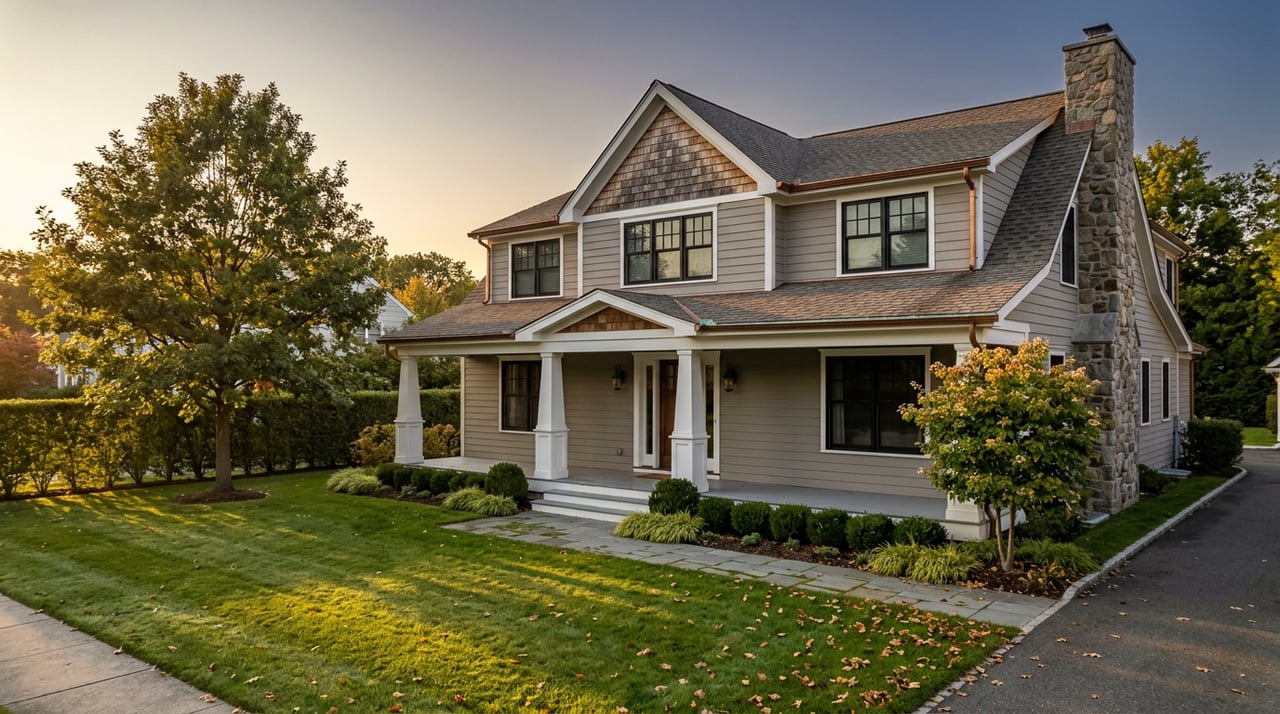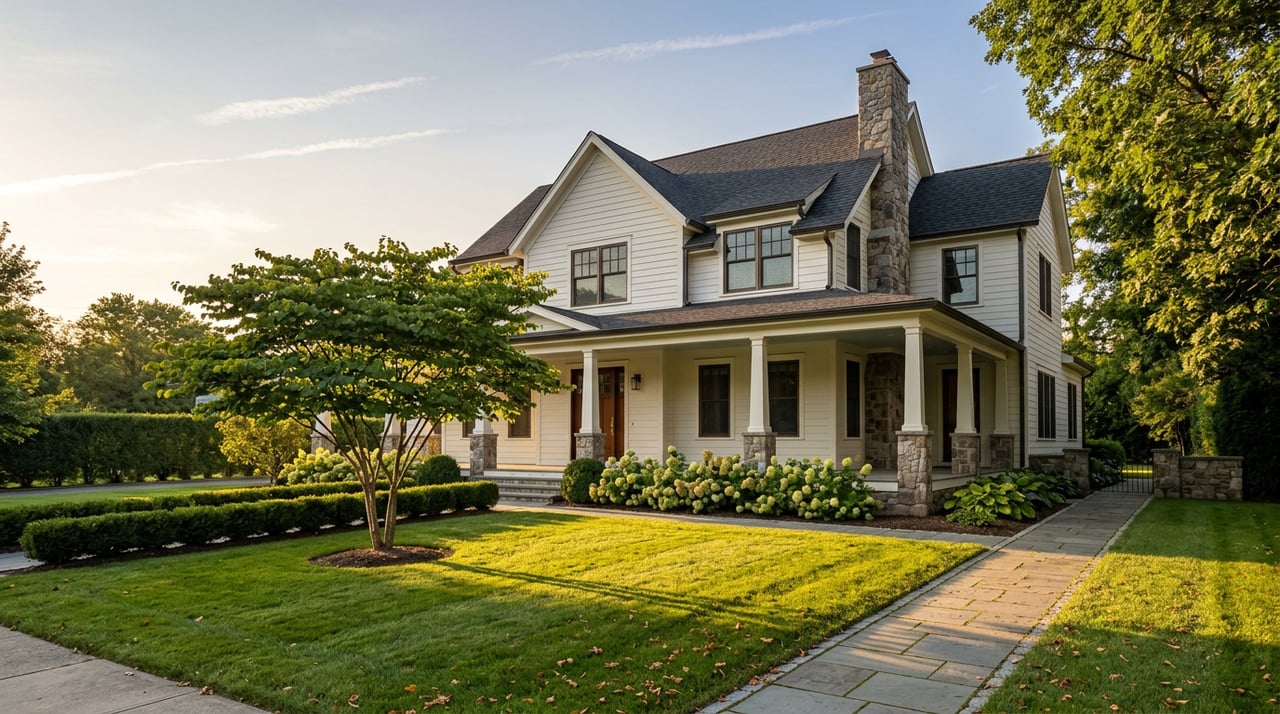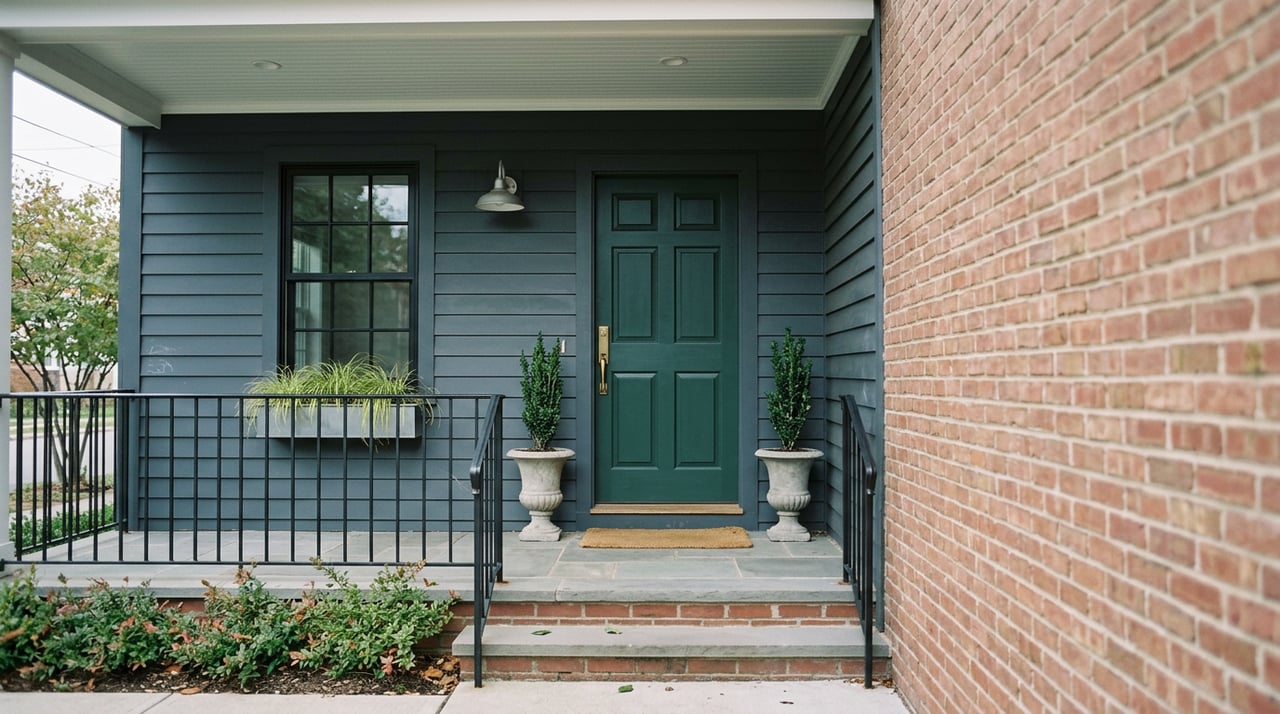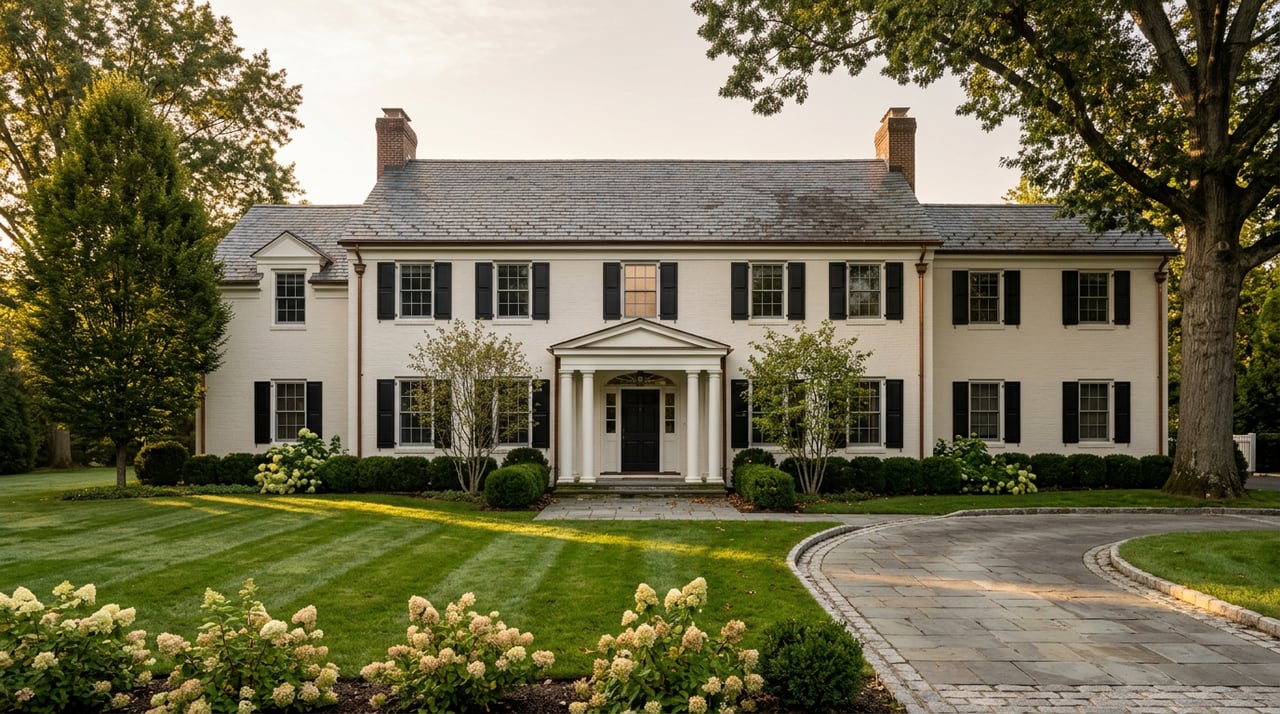
A buyer comparing two listings a few blocks apart in Millburn Township runs into the same puzzle almost every time. One home is marketed as "Millburn." The other, close enough that a resident could walk between them, is marketed as "Short Hills." The tax bill comes from the same municipal government. The trash gets picked up on the same schedule. The high school transcript says the same three words: Millburn High School. And the second listing is priced at nearly double the first.
That gap isn't a mistake, and it isn't really about schools either, even though schools are usually the first explanation buyers reach for. The actual story is that "Short Hills" was never one housing market to begin with, and the address line on a listing tells you less about which elementary school your child will attend than most buyers assume.
One Government, One School System, Two Names
Short Hills has no mayor, no separate high school, and no independent tax rate. It's an unincorporated census-designated place inside Millburn Township, a status it has held since the township's founding, and it has carried its own ZIP code, 07078, since 1880, back when developer Stewart Hartshorn convinced the U.S. Post Office to open a branch inside his new railroad station. Downtown Millburn carries a different ZIP, 07041. Both fall under the same town government, the same municipal services, and the same public school district.
That last part matters more than most marketing language lets on. Millburn Township Public Schools runs eight buildings that serve both areas: five elementary schools for grades K through 4, Washington School for grade 5, Millburn Middle School for grades 6 through 8, and Millburn High School for grades 9 through 12. Once a student clears fifth grade, the "Millburn" or "Short Hills" label on their childhood address stops mattering entirely. Everyone funnels into the same middle school, the same high school, the same district.
So if the institutions are identical, what is a buyer actually paying for when a listing says Short Hills instead of Millburn?
Nine Sections Wearing One ZIP Code
The township officially recognizes nine distinct sections within Short Hills, and local listing language adds a few more informal names on top of that, Poet's Section and Fairfield Estates among them. Each section carries its own lot logic, its own architecture, and its own buyer pool.
Glenwood sits closest to the train platform and downtown Millburn. It's the most accessible entry point into the Short Hills name, with a mix of housing types and a buyer pool that tends to count train seats as carefully as square footage. Knollwood rises out of that same orbit into the Hartshorn-era streets, Hobart Avenue, Knollwood Road, The Crescent, Lake Road, where the original 1879 depot still functions as the neighborhood's front door. Old Short Hills and Hartshorn hold the estate-era pockets, with parcels commonly running 0.4 to 1 acre or more and architecture that leans Tudor Revival, Colonial, and Georgian. White Oak Ridge and Deerfield-Crossroads sit at the larger-lot edges, with steeper terrain and some of the township's oldest postwar sections, anchored day to day by the 36-acre Gero Park complex and its community pool and par-3 golf course. A smaller condo and townhome layer, buildings like West Mill Garden and Short Hills Terrace, offers a lower-maintenance version of the same ZIP code.
Cross back into downtown Millburn itself and the lot sizes shrink fast. Village lots near the train station and the Wyoming district commonly run 0.12 to 0.2 acre, some as narrow as 36 feet wide, with older Victorians and Tudors on conventional in-town streets. Same schools. Same services. A fraction of the land.
Blend all of that into a single "Short Hills" median and you get a number that describes nothing in particular, because it's averaging a commuter condo near the platform with an acre-plus estate on Hartshorn Drive.
What the 2026 Numbers Actually Show When You Split Them
Look at township-wide data and Millburn's overall home values were still climbing through the middle of 2026. Zillow's home value index put the average Millburn home at $1,332,657 as of June 30, 2026, up 8.8 percent over the prior year. That's a healthy, unremarkable suburban trend line on its own.
Split the data by section and the picture changes. Year-to-date sales through June 2026 showed Short Hills averaging roughly $2.78 million per sale against Millburn's roughly $1.51 million, a gap of more than $1.2 million. What makes that gap interesting isn't its size, it's what happens to days on market once you account for it. Homes in Short Hills were moving in about 23 days over that same stretch, homes in Millburn in about 25. Two days apart. If Short Hills were simply the "premium" market and Millburn the "value" alternative, you'd expect the cheaper segment to move faster on sheer affordability. Instead both segments are clearing at nearly identical speed, which suggests buyers aren't choosing between a hot market and a cold one. They're choosing between two different products, lot size and architecture on one side, walkability and entry price on the other, and both products have willing buyers lined up.
Zoom into one specific pocket and the split gets sharper still. A neighborhood-level look at the walkable area straddling downtown Millburn and the Short Hills train corridor showed a median sale price of $975,000 over the three months ending June 2026, down 14.5 percent from the same period a year earlier, with homes taking an average of 52 days to sell compared to 33 days the year before. That's a meaningfully softer, slower corner of the market sitting inside the same township that's posting an 8.8 percent annual gain overall. A buyer who only checks the headline township number would never see that this particular pocket cooled while the estate sections kept pace.
A February 2026 snapshot of listing prices by ZIP code told a similar story earlier in the year: 07041, downtown Millburn's ZIP, carried a median listing price of roughly $1.53 million, while 07078, Short Hills, carried a median listing price of roughly $3.35 million. That's an older data point by now, but it lines up with the same-year pattern the June numbers confirm. The split between ZIP codes isn't a one-month anomaly. It's held for most of 2026.
The Part That Actually Surprises Buyers
Here's the detail that catches people off guard during an actual transaction, not just a browsing session. Elementary school assignment for kindergarten through fourth grade is determined by exact street address, not by whether a listing calls itself Millburn or Short Hills. The district notes this explicitly along boundary streets like Old Short Hills Road, Parsonage Hill Road, and Millburn Avenue, where two homes can sit close enough to share a mail carrier and still feed into different elementary schools.
Even within the single ZIP code 07078, there isn't one "Short Hills school." Deerfield School, Glenwood School, and Hartshorn School all carry Short Hills mailing addresses and all serve different attendance zones. A buyer who assumes the ZIP code guarantees a specific elementary building is making the same mistake as the buyer who assumes the ZIP code guarantees a specific price. The name on the listing is a marketing convenience. The address is the actual data point, for schools and for comps alike.
What This Means If You're Comparing a Downtown Colonial to an Old Short Hills Estate
The useful reframe isn't "Millburn or Short Hills." It's two separate questions asked in the right order. First, which exact K-4 attendance line does this address fall on, confirmed against the district's boundary streets rather than assumed from the neighborhood name. Second, once schools are equalized in your mind because grades 5 through 12 are identical either way, what are you actually buying with the price difference: a 0.15-acre in-town lot with a five-minute walk to the platform and Taylor Park, or a 0.6-acre lot in Old Short Hills with the Paper Mill Playhouse and Greenwood Gardens a short drive away instead of a walk.
Neither answer is wrong. But conflating the two into a single "Short Hills versus Millburn" decision means pricing in a school-quality premium that doesn't actually exist between the two names, while missing the lot-size and lifestyle premium that does.
Three Questions Worth Asking Before You Compare Listings
If a listing says "Short Hills," does that guarantee a specific elementary school? No. K-4 assignment runs on exact address along township-defined boundary lines, not on the neighborhood name a listing uses. Confirm the address against the district's attendance boundaries before assuming which building your child will attend.
Does a softer number in one pocket mean that part of the market is weaker overall? Not necessarily. The walkable corridor near the train station showed a slower, softer three months ending June 2026 compared to the year before, but that reflects a different product, smaller lots and older in-town stock, selling at a different pace than the estate sections. Township-wide days on market for Short Hills and Millburn sat within two days of each other over the same year, which points to steady demand across price points rather than weakness concentrated in one.
Why do I see three or four different median prices for what looks like the same town? Each source is measuring something different, a full CDP, a single walkable neighborhood, ZIP-code listing prices, or closed sale averages, and a handful of large estate closings in any given month can swing a small sample. The section-by-section lot size and architecture pattern holds steadier than any single month's average.
If you're weighing a Wyoming-district Colonial against an Old Short Hills estate, or trying to work out which side of an attendance line a specific address falls on, that's exactly the kind of comparison Vinita Shukla walks clients through section by section rather than ZIP code by ZIP code. Schedule a free consultation to price the address you're actually considering, not just the name on the listing.